Supporting children in a conflict zone
At the height of the war in Gaza, intensive co-creation built field-ready mental health methods — and raised two new grants.
Read full story →Every organization we work with arrives with a challenge that matters — and not enough of the right people around it. We change that. Catalyst Co-Labs connects you with hand-picked global experts who co-create real solutions to your most important challenge. The result isn't a report. It's new funding, new partners, and outcomes ready to scale.
We give funders, foundations, impact investors, and corporations a fast, high-leverage way to unlock collective intelligence around the challenges that matter most to their portfolios — and to the organizations they support.
What We Do
A Co-Lab is a structured, virtual co-creation process built around a single, well-defined challenge. We recruit 30 hand-picked experts — practitioners, researchers, sector leaders, and people with lived experience from around the world — and convene them in two intensive 90-minute sessions.
The result: new relationships, actionable strategies, and outcomes ready to implement. All results are open-sourced.
Most collaboration takes too long, involves the wrong people, or produces outputs that sit on shelves. Co-Labs are different by design.
The challenge is defined precisely before anyone is recruited. Participants are selected specifically for that challenge – not from a standing roster. Sessions are facilitated for decisions, not just discussion. And the process ends with clear next steps, not just a report.
This is not a workshop. It's a strategic partnership from first conversation to lasting outcome.
Our participants are drawn from the world's most trusted social innovation networks


Co-Lab Outcomes
Each story follows the same structure: a real challenge, a Co-Lab convened, concrete outcomes.
Click any card to read the full story.

At the height of the war in Gaza, intensive co-creation built field-ready mental health methods — and raised two new grants.
Read full story →
The MHPSS Collaborative needed concrete recommendations — not just intentions — for a landmark policy conference.
Read full story →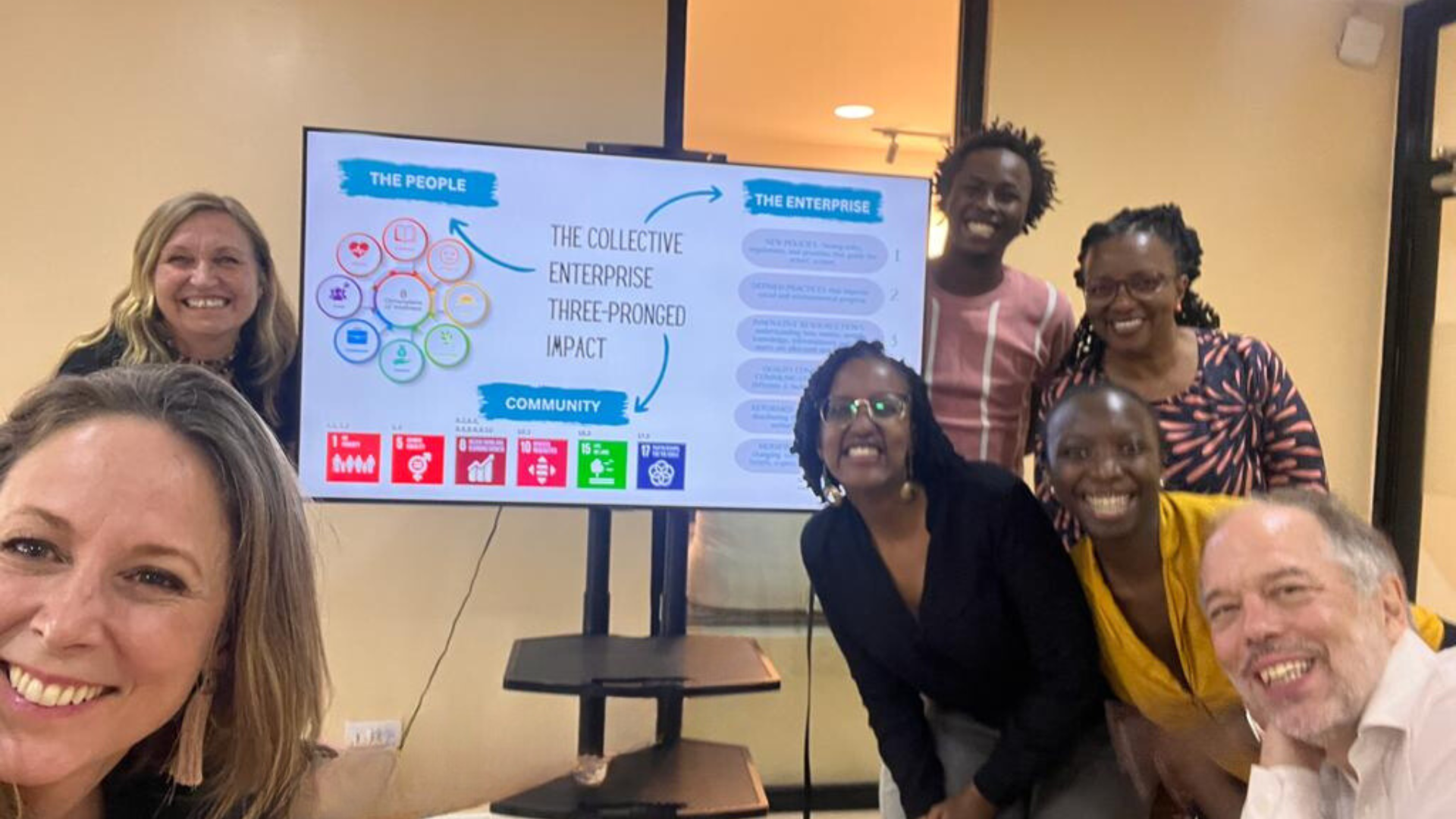
CVPA needed a credible way to measure outcomes across its Collective Enterprise Model — without one, they couldn't attract funders.
Read full story →
We Love Reading needed a peer-to-peer platform — but lacked technical expertise and strategic clarity to get there.
Read full story →
Poonam Bir Kasturi needed to crack how to get Indian street vendors to replace plastic bags with a recyclable cloth alternative. We brought together 26 experts — from the head of India's Street Vendor Association to fintech and marketing specialists.
Read full story →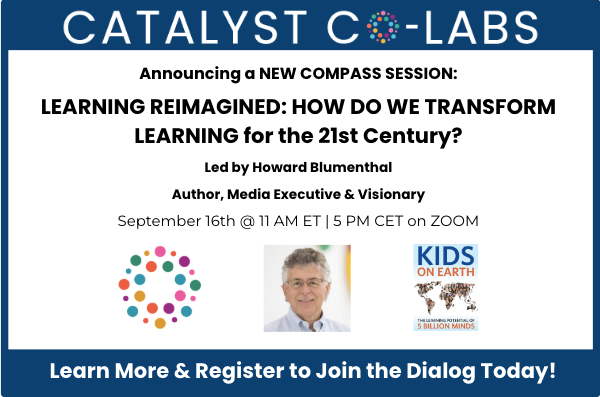
Are we building schools for children — or children for schools? Eight global education leaders co-created a new framework for 21st century learning.
Read full story →A Co-Lab works best when the challenge is specific and solvable — not a broad sector problem, but a defined question your organization is actively trying to answer. It should be tied to a concrete goal: increasing your impact, scaling your model, replicating your approach in new contexts, or strengthening your evidence base to attract new funding. Challenges that touch on systems change are welcome, as long as the Co-Lab question itself is focused enough to generate actionable outcomes.
The challenge should be relatable across regions and contexts — so that participants from diverse geographies can contribute meaningfully. And it should be open to collaboration rather than requiring a single technical expert.
Challenges that are too large, too narrow, or purely academic are poor fits. The format is designed for strategic action. Not sure if your challenge is Co-Lab-ready? Contact us — we'll tell you honestly.
Our Approach
Think of us as strategic consultants who use co-creation as their primary tool. We start with a question: what is your challenge, precisely? Most organizations arrive with something real and urgent but not yet focused enough to act on. Sharpening it — before a single expert is contacted — is one of the most valuable things we do.
Only then do we recruit: drawing on Catalyst NOW, Ashoka, Schwab, Skoll, Echoing Green, and other global networks, we hand-pick 30 participants from typically 100+ qualified applicants — matched to your specific challenge, not pulled from a standing roster.
Then come two 90-minute sessions that are the concentrated expression of all that preparation — expertly designed and facilitated to produce decisions, not just discussion. Afterward, we document outcomes and help new connections grow into lasting collaborations and funding opportunities.
Think of us as strategic consultants who use co-creation as their primary tool. We work with you iteratively — through structured conversations and working drafts — to sharpen the challenge until it is precise enough to act on. This happens before a single expert is contacted.
From 1000's of social innovators, researchers, practitioners and people with lived experience across Catalyst NOW, Ashoka, Schwab Foundation, Skoll, Echoing Green, and other global networks — supplemented by direct outreach where the challenge demands it. From typically over 100 qualified applicants, we hand-pick 30 participants — every one selected specifically for your challenge.
Two 90-minute co-creation sessions that build trust, surface insight, and drive toward concrete, co-owned outcomes.
From the 30 participants, a self-selected group typically continues working alongside the host — bringing new perspectives, relationships, and in many cases new funding pathways. All outcomes are open-sourced.
For Funders & Philanthropies
Whether you are a foundation seeking faster outcomes from your grantees, a funder looking to catalyze collaboration across your portfolio, or facing a challenge your team alone cannot crack — a Co-Lab delivers outsized return on your investment in people and ideas. You don't hire consultants to tell you what to do. You convene the world's best minds to co-create it with you.
Move from challenge to actionable co-created outcomes faster and more effectively than traditional consultative approaches — because you end with new collaborators, not just a report.
Co-Labs surface lived-experience expertise, geographic diversity, and cross-sector insight that traditional advisory panels cannot replicate. Experts from 41 countries. Zero geographical barriers.
Concrete deliverables — frameworks, roadmaps, open-sourced solutions, and documented new partnerships — with outcomes you can report to your board. Not just a good conversation.
Through Catalyst NOW, Ashoka, Echoing Green, Schwab Foundation, and Skoll networks, you tap into 6,000+ vetted social entrepreneurs without building that pipeline yourself.
Co-Lab fees are structured based on scope, scale, and the level of post-session support included. This includes the complexity of the challenge, the depth of post-session support, and whether the Co-Lab is part of a series. We work with organizations of varying sizes and budgets. Contact us — we're happy to have a direct conversation about what works for your situation.
In Their Words
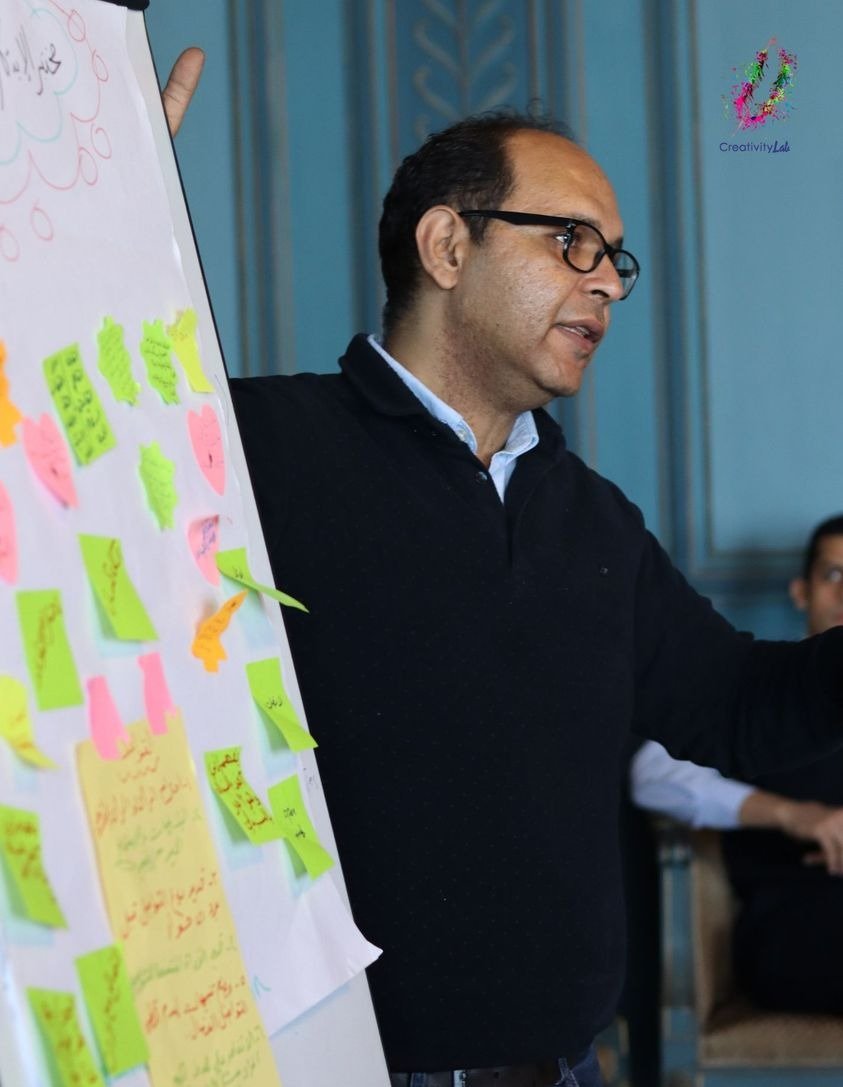
This Co-Lab brought us collaborators and expertise to rapidly improve our technical approaches to MHPSS support for Gaza-based teachers and psychologists. As a result, we raised two grants to support our program implementation.Dr. Mohammad Issa President, Creativity Lab Arab World
After the rich discussions, I realized we needed to focus on Social Investment ROI to measure progress and impact. We gained the ideas and resources to build the ICE Framework — which we now use with all our partners.Dr. Wamuyu Mahinda Founder, Collaborative Value Partners Africa
Catalyst Co-Labs was like turning coals to fire. I reached people I otherwise wouldn't have had access to — and was able to take a risk, to attempt a systemic change with a team, through collaboration.Poonam Bir Kasturi Founder, Daily Dump
Co-Labs enabled our team to holistically design policy and funding recommendations on an emerging topic. At the conference, this track was the best prepared — we hit the ground running and were in the best position to drive policy change and Nordic government funding.Peter Brune & Marie Dahl War Child Sweden & MHPSS Collaborative
Clients & Partners
Catalyst Education
 UNICEF
 War Child
 Collaborative Value
 Creativity Lab
 Daily Dump
 We Love
 The MHPSS
New in 2025
A shorter, sharper format: a 90-minute strategic dialogue among up to 20 thought leaders convened around a "meet the moment" challenge.
Less intensive than a full Co-Lab, but equally outcome-focused. Results are shared openly. Think less fireplace chat, more situation room with results.
Get in touch about CompassOur Advisory Board

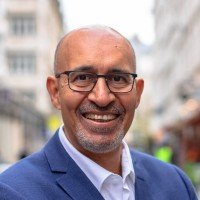




Our Founders & Team
Catalyst Co-Labs was founded by three social entrepreneurs who understand firsthand what it takes to scale impact across borders — and why the right collaborators make all the difference.

A France/Kenya-based advisor and social entrepreneur focused on transforming lives through better access to technology and the internet. She co-founded and scaled two social enterprises — Inveneo and Surf Kenya — mobilizing over $20 million to extend connectivity to underserved communities, and more recently co-led Sprout, a platform improving smallholder farmers' livelihoods across Africa, with Mercy Corps, and advised Taara (formerly Google X's Project Taara). A World Economic Forum Schwab Social Entrepreneur and Clinton Global Initiative member, she brings a deep belief in collaboration and equitable innovation to every project she touches.
Kenya / France · Social Entrepreneur · Technology for Good · Schwab Social Entrepreneur · WEF
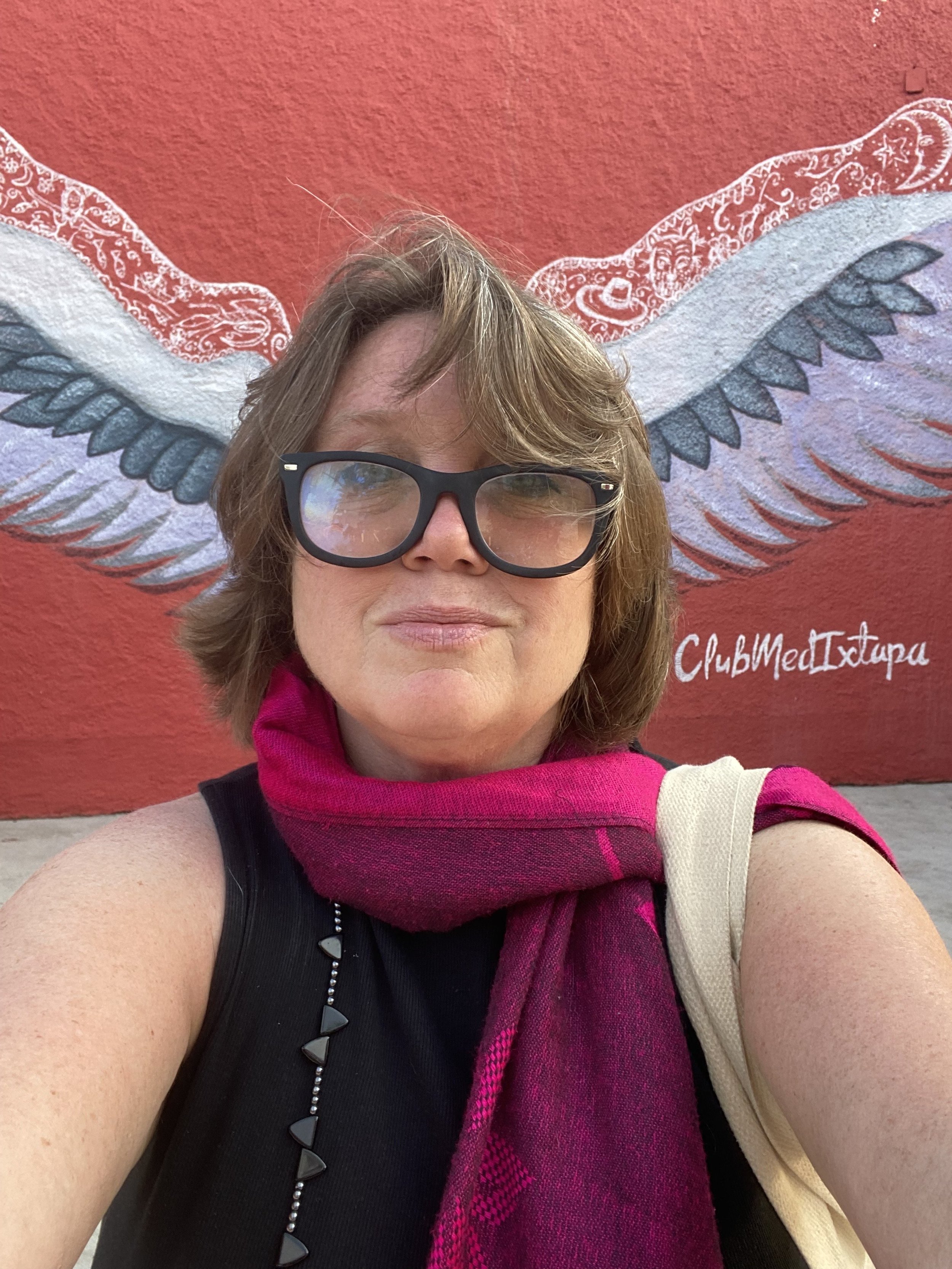
A Swedish philanthropy leader, social impact entrepreneur, and board professional with two decades of experience in global partnerships, humanitarian relief, and sustainable development. Recently served as Managing Director of H.M. Queen Silvia's Foundation – Care About the Children (CATCH), leading the foundation through its three-year spend-down and closure. Currently board member of the International Rescue Committee (IRC) Sweden - prior board roles and/or occupations include ChildX, Jane Goodall Institute Sweden, Non-Violence Project Scandinavia, Lifeline Energy and IFRC, amongst others. She has worked across Europe, Africa, MENA, South America, and Asia, and is currently based in Stockholm, Sweden with her family and dachshund Alma.
Philanthropy · Social Entrepreneurship · Humanitarian Relief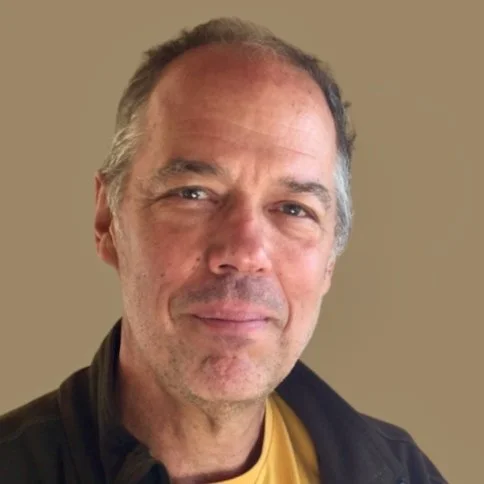
Over two decades leading fellowship, philanthropy, and social entrepreneurship networks, including CEO of the Melton Foundation, board member of the Network of Engaged International Donors (NEID), co-founder of Women Educators for Education, director of the Global Innovators Network (Harvard), member of PIA at MIT D-Lab, and co-founder of Innovations journal (MIT Press).
Has lived extensively in Latin America, including Colombia, where he was born, and worked in all major world regions.

Martina Blanco is an Argentinian researcher, passionate about human and environmental rights in the Global South. Currently researching about legislation of native forests in her city and having previously done an Internship inside the Organization of American States, she fosters exhaustive research and context-based ideas. With a background in International Relations from the Universidad Empresarial Siglo 21 and currently pursuing a Diploma in Human Rights, Martina Blanco focuses on tackling climate change issues with research-backed solutions.
Argentina · International Relations · Human RightsGet in Touch
Tell us about the problem you're trying to solve. We'll show you how a Co-Lab could work — and who we'd bring to the table. No commitment required.